
Esports: From Niche Hobby to Global Phenomenon
Once considered a fringe activity, esports has surged into mainstream prominence over the last decade. What began with small-scale tournaments among dedicated gamers has transformed into a multi-billion-dollar industry. Today, major esports events fill arenas worldwide and attract tens of millions of online viewers, rivaling traditional sports in popularity and engagement. This growth stems from several key factors: the democratization of high-speed internet, the rise of streaming platforms, and a younger generation that embraces digital competition. Esports now encompasses a diverse spectrum of games, genres, and competitive styles, making it accessible to a broad audience. Importantly, it also provides lucrative career paths for professional players, coaches, and content creators.
Popular Esports Titles and Their Unique Appeal
The esports landscape is defined by a handful of flagship titles, each offering unique gameplay that appeals to different types of players and fans. Classic shooters like Counter-Strike: Global Offensive and the new Counter Strike 2 continue dominating thanks to their tactical depth and fast-paced action. Multiplayer online battle arenas (MOBAs) such as League of Legends and Dota 2 attract millions with their complex team strategies and character diversity. First-person shooters like Valorant and Apex Legends blend precise gunplay with innovative abilities, drawing in competitive players worldwide. Each title’s distinct appeal feeds different esports communities, fueling various tournament circuits.
The Esports Ecosystem: Players, Teams, and Tournaments
The backbone of esports is its thriving ecosystem, where players, teams, organizers, and sponsors collaborate to create compelling competitions. Pro players dedicate countless hours honing their skills, often supported by dedicated coaching staff and analysts. Teams like FaZe Clan and Team Liquid have become global brands, offering structured environments for talent development and fan engagement. On the tournament side, events range from grassroots competitions to premier international championships like The International or the League of Legends World Championship, featuring impressive prize pools and massive audiences.
The Role of Streaming and Media in Esports Growth
Streaming platforms like Twitch and YouTube Gaming have been pivotal in esports’ meteoric rise. They allow fans worldwide to watch matches live, interact with commentators, and build communities around their favorite games and players. This real-time engagement transforms esports from a passive viewing experience into an interactive social event. Content creation further expands esports’ reach, with influencers sharing tutorials, highlights, and personal stories. Media partnerships with traditional broadcasters have also legitimized esports, with events now airing on major sports networks. This fusion of digital and traditional media drives visibility and sponsorship opportunities.
Future Trends: How Esports Continues to Shape Entertainment
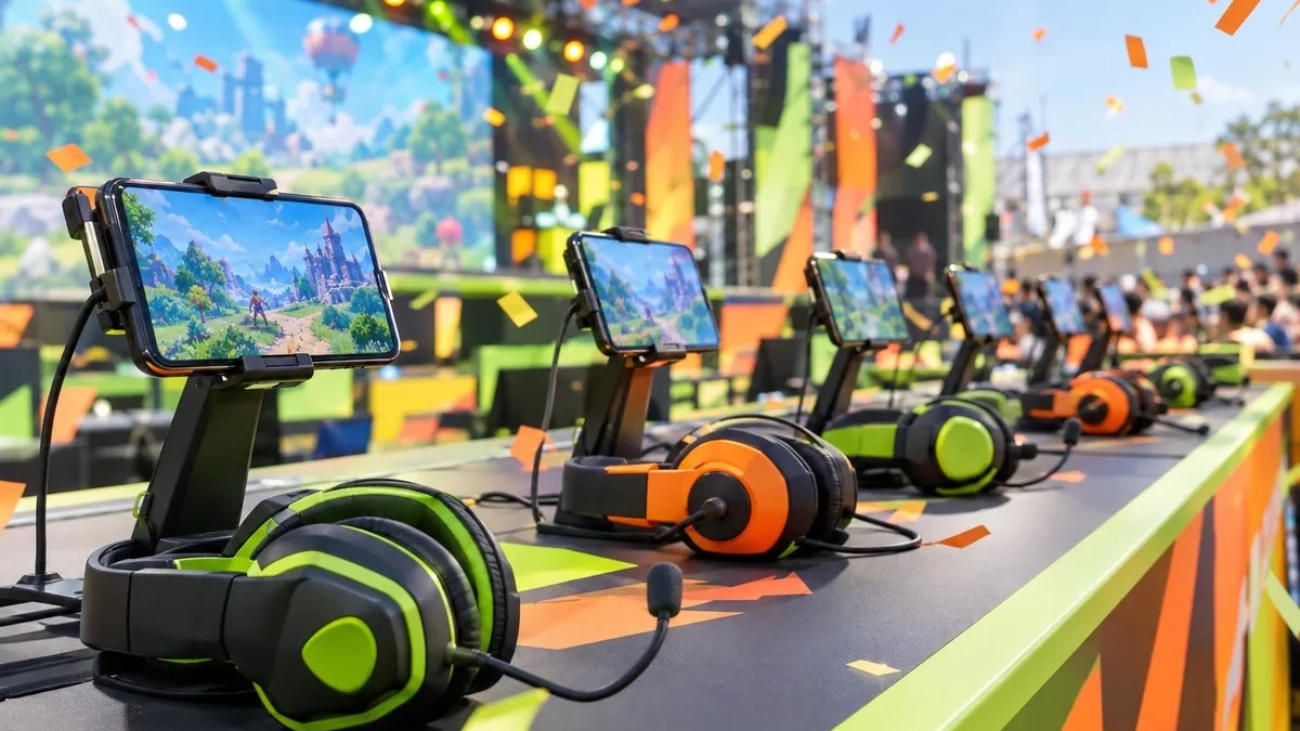
Looking ahead, esports is poised to reshape the entertainment landscape in unprecedented ways. Virtual reality (VR) and augmented reality (AR) technologies promise more immersive viewing and playing experiences. The rise of mobile esports will democratize access further, opening new markets. Also, hybrid events blending physical venues with digital access could become standard, appealing to global audiences while maintaining local atmosphere.
Frequently Asked Questions About Esports and Competitive Gaming
What factors contributed to the rise of esports into a global phenomenon?
Esports grew due to democratized high-speed internet, the rise of streaming platforms, and younger generations embracing digital competition, transforming it from a niche hobby into a multi-billion-dollar industry.
Which games are most popular in the esports world and why?
Popular esports titles include Counter-Strike: Global Offensive, League of Legends, Dota 2, Valorant, and Apex Legends, each offering unique gameplay such as tactical depth, team strategy, or innovative abilities that appeal to diverse competitive players and fans.
How do streaming platforms influence the growth of esports?
Platforms like Twitch and YouTube Gaming enable live viewing, real-time interaction, and community building, turning esports into an interactive social event, increasing visibility, sponsorships, and fan engagement.
What future trends are expected to shape esports?
Future trends include VR/AR for immersive experiences, growth in mobile esports, and hybrid physical-digital events.